Ball valves are among the most widely used valves in industrial pipelines, valued for quick quarter-turn operation, tight shut-off, and low maintenance. But not all ball valves are built the same way. The two main designs, floating ball valves and trunnion mounted ball valves, differ in how the ball is supported inside the body, and that single difference affects pressure capability, operating torque, sealing behaviour, size range, and cost.
Choosing the wrong design can mean hard-to-operate valves, premature seat wear, or unnecessary spending. Leading Ball Valves Manufacturers in India produce both designs for applications ranging from utility lines to high-pressure oil and gas pipelines, so understanding the difference helps you specify exactly what your system needs. This guide explains how each design works and when to use one over the other.
What Is a Floating Ball Valve?
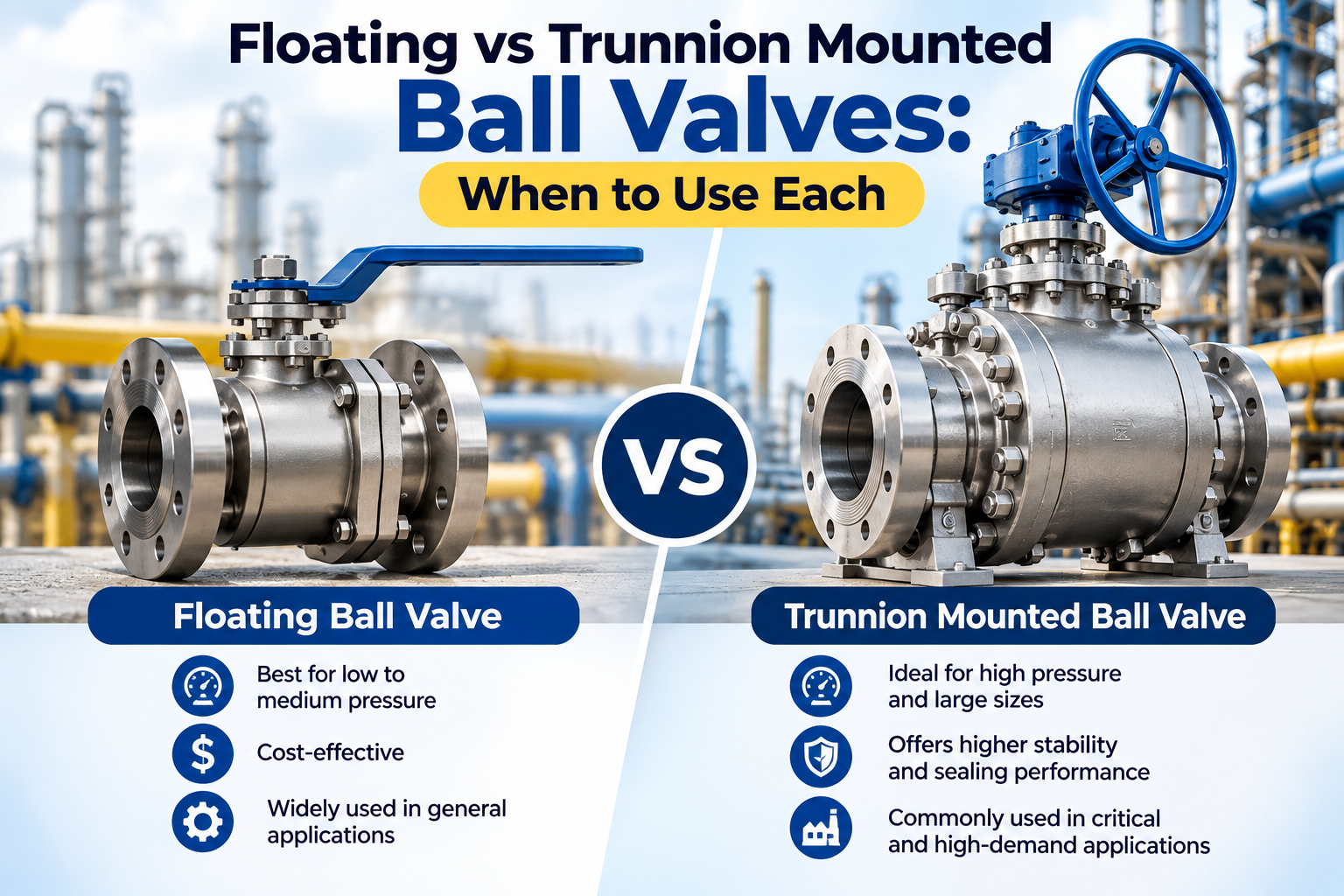
In a floating ball valve, the ball is held in place only by the two seats and is connected to the stem in a way that allows slight movement. The ball is not fixed at the bottom, so it "floats."
When the valve is closed, line pressure pushes the ball slightly downstream against the downstream seat, creating the seal. This is known as downstream sealing. The higher the pressure, the tighter the ball presses against the seat, which gives good shut-off in the right conditions.
The trade-off is that the full force of line pressure is carried by the downstream seat. As pressure and size increase, this load grows sharply, raising operating torque and accelerating seat wear.
Advantages of Floating Ball Valves
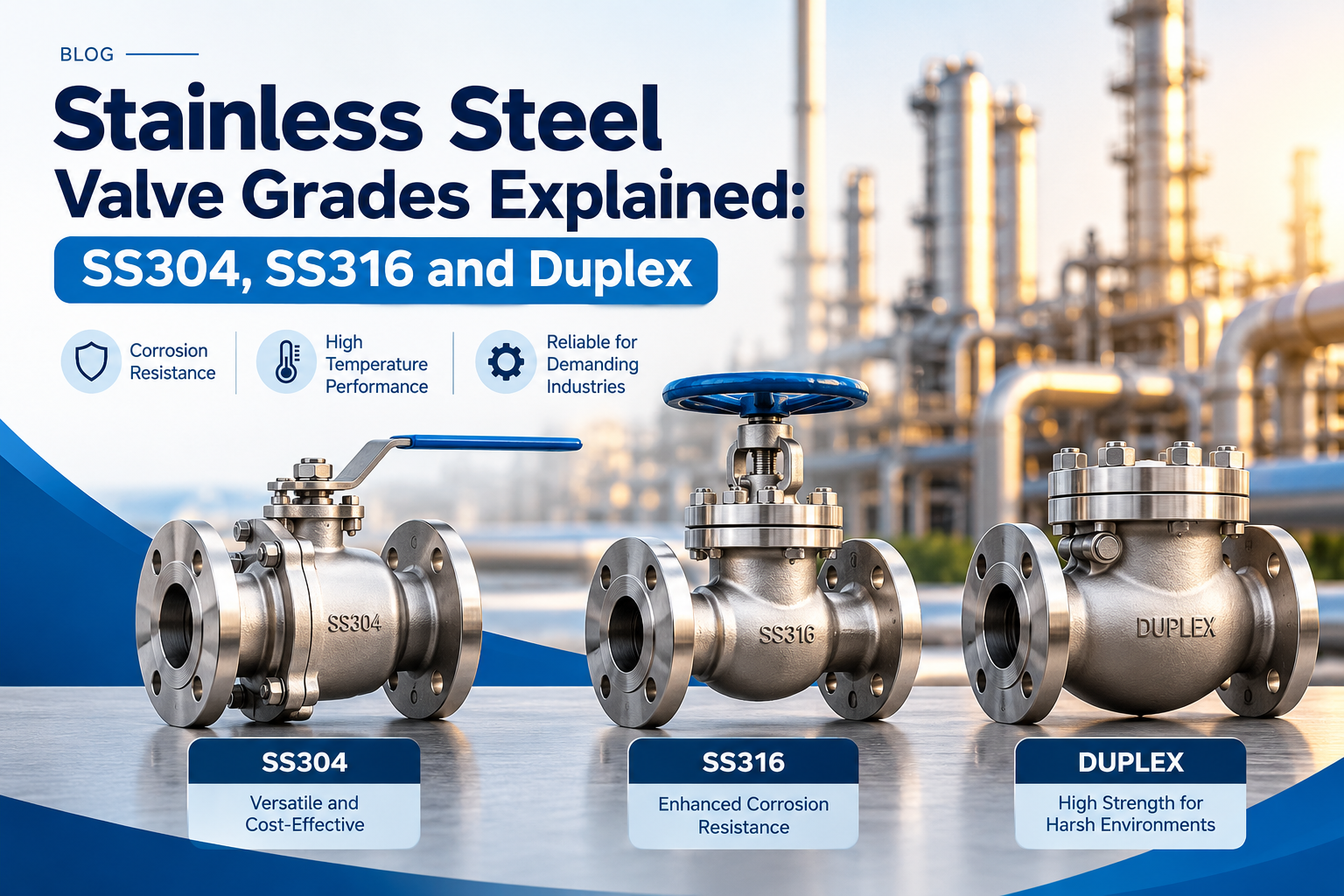
Floating ball valves have a simple design with fewer components, which makes them more economical to manufacture and buy. They are compact and lightweight, easy to maintain, and provide reliable bubble-tight shut-off in small to medium sizes at low to moderate pressures.
Limitations of Floating Ball Valves
Operating torque becomes high in larger sizes and higher pressure classes, often requiring bigger and more expensive actuators. The downstream seat carries the full pressure load, which can deform soft seats under high pressure or temperature. They are generally not suited to very large diameters or high-pressure pipeline service.
What Is a Trunnion Mounted Ball Valve?
In a trunnion mounted ball valve, the ball is mechanically anchored at the top by the stem and at the bottom by a trunnion (a short fixed shaft). The ball can rotate but cannot move downstream.
Instead of the ball moving into the seat, the seats move toward the ball. Spring-loaded seats are pushed against the ball by springs and line pressure, typically sealing on the upstream side. Because the trunnion absorbs the pressure load rather than the seats, these valves handle high pressures and large sizes with far less strain on the sealing components.
Advantages of Trunnion Mounted Ball Valves
Trunnion mounted ball valves offer significantly lower operating torque, allowing smaller actuators and easier operation even at high pressure. They are suitable for large bore sizes and high pressure classes, provide longer seat life because the seats do not carry the full pressure load, and are commonly available with double block and bleed (DBB) or double isolation and bleed (DIB) functions, body cavity pressure relief, and emergency sealant injection.
Limitations of Trunnion Mounted Ball Valves
The design is more complex, with more parts, which raises the initial cost. They are also heavier and larger, and may be more than an application actually needs in small, low-pressure lines.
Floating vs Trunnion Ball Valve: Key Differences
| Factor | Floating Ball Valve | Trunnion Mounted Ball Valve |
|---|---|---|
| Ball support | Held by seats, free to shift | Anchored by stem and trunnion |
| Sealing | Downstream, pressure-assisted | Upstream, spring-loaded seats |
| Pressure range | Low to medium | Medium to very high |
| Typical size range | Small to medium bore | Medium to large bore |
| Operating torque | Higher, increases with size and pressure | Lower and more consistent |
| Seat wear | Higher under heavy load | Lower |
| DBB / DIB capability | Limited | Commonly available |
| Cost | Lower | Higher |
| Maintenance | Simple | More involved but less frequent |
When to Use a Floating Ball Valve
A floating ball valve is usually the right choice when you are working with small to medium pipe sizes, operating at low to moderate pressure, and handling general-purpose media such as water, air, oil, or mild chemicals. They fit well in HVAC and utility lines, water treatment, general process plants, chemical transfer, and food and pharmaceutical systems, particularly where budget matters and the valve doesn't need advanced isolation features. When sourcing from Floating Ball Valves Manufacturers in India, ask for torque data, seat material options, and pressure-temperature ratings to confirm the valve suits your operating conditions.
When to Use a Trunnion Mounted Ball Valve
A trunnion mounted ball valve makes more sense for large pipe diameters, high-pressure service, and critical isolation where double block and bleed is required. It is also the stronger option for automated valves where actuator size and cost matter, and for long service lives with minimal downtime. Typical applications include oil and gas transmission pipelines, refineries and petrochemical plants, gas distribution networks, power plants, LNG and offshore facilities, and high-pressure water mains.
A Simple Rule of Thumb
If the line is small and the pressure is modest, a floating ball valve delivers dependable performance at a lower cost. As pipe size and pressure increase, torque and seat load climb quickly, and a trunnion mounted design becomes the safer, more efficient, and often more economical choice over the valve's lifetime. The exact crossover point depends on pressure class, media, temperature, and seat material, so always check the manufacturer's torque and pressure data for your conditions.
Other Factors to Consider
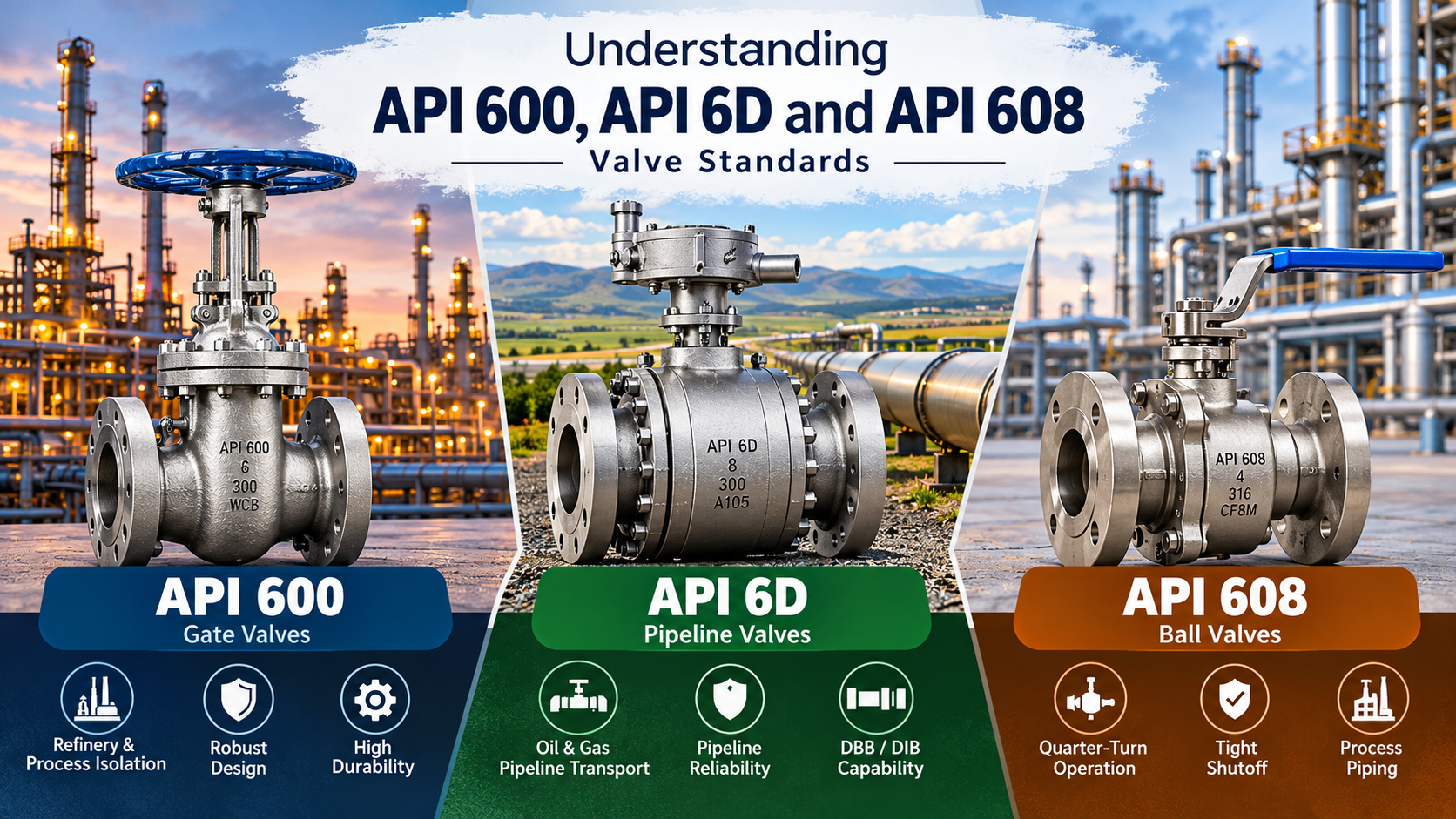
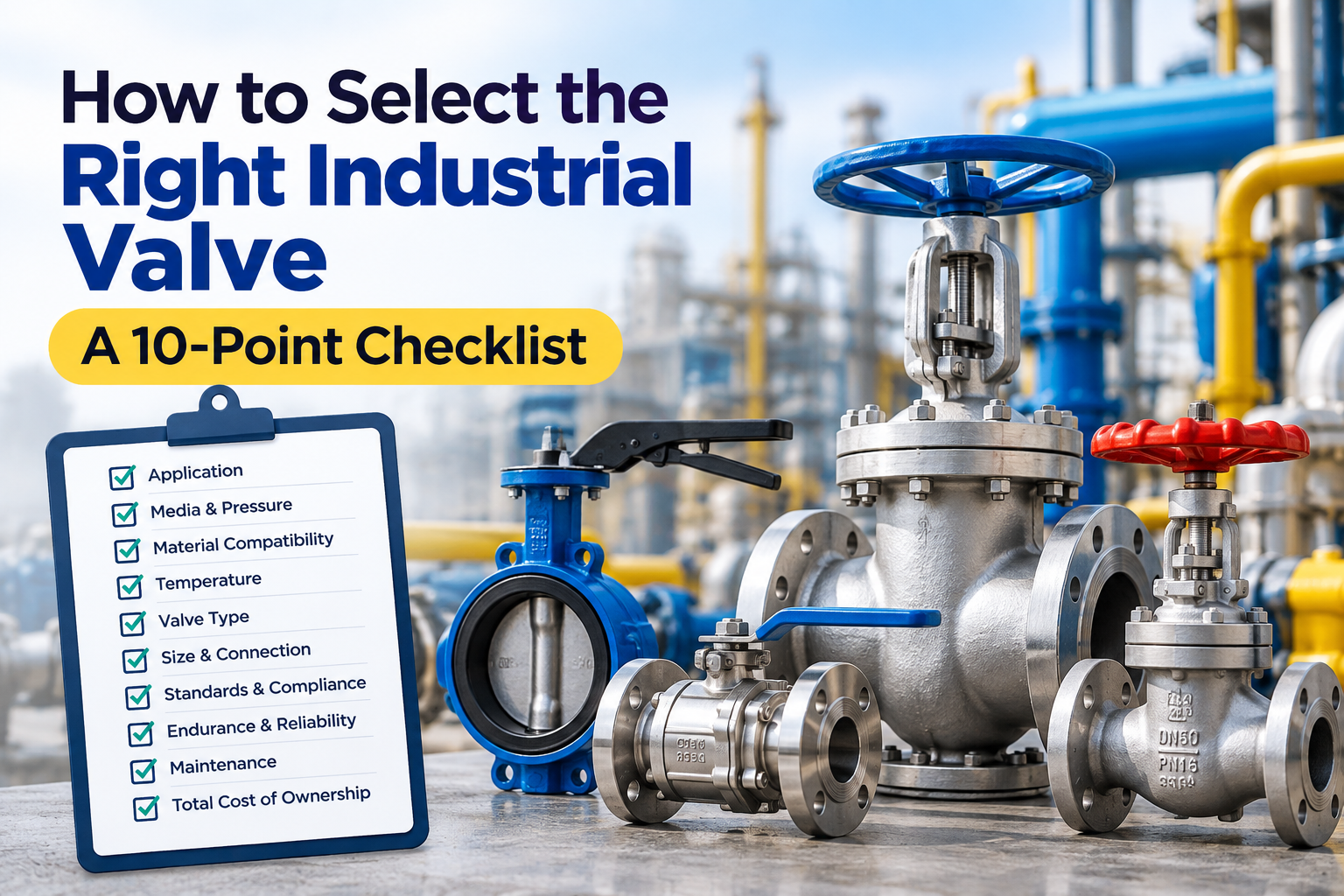
Beyond the mounting style, confirm the body and trim materials suit your media, check that seat materials (soft PTFE-type seats or metal seats) match the temperature and abrasiveness of the service, and choose between full bore and reduced bore depending on whether you need unrestricted flow or pigging. Also verify end connections, fire-safe requirements, and compliance with applicable standards such as API 6D or API 608.
Choose the Right Ball Valve With Expert Support
Selecting between floating and trunnion mounted ball valves is ultimately about matching the design to your pressure, size, and performance needs. Working with an experienced Industrial Valve Manufacturer in India gives you access to technical guidance, proper sizing, and valves built and tested to the right standards for your application.
Apollo India Valves manufactures a wide range of ball valves and industrial valves for demanding process and pipeline applications. Explore the product range and speak with the team about your requirements: https://www.apolloindiavalves.com/